
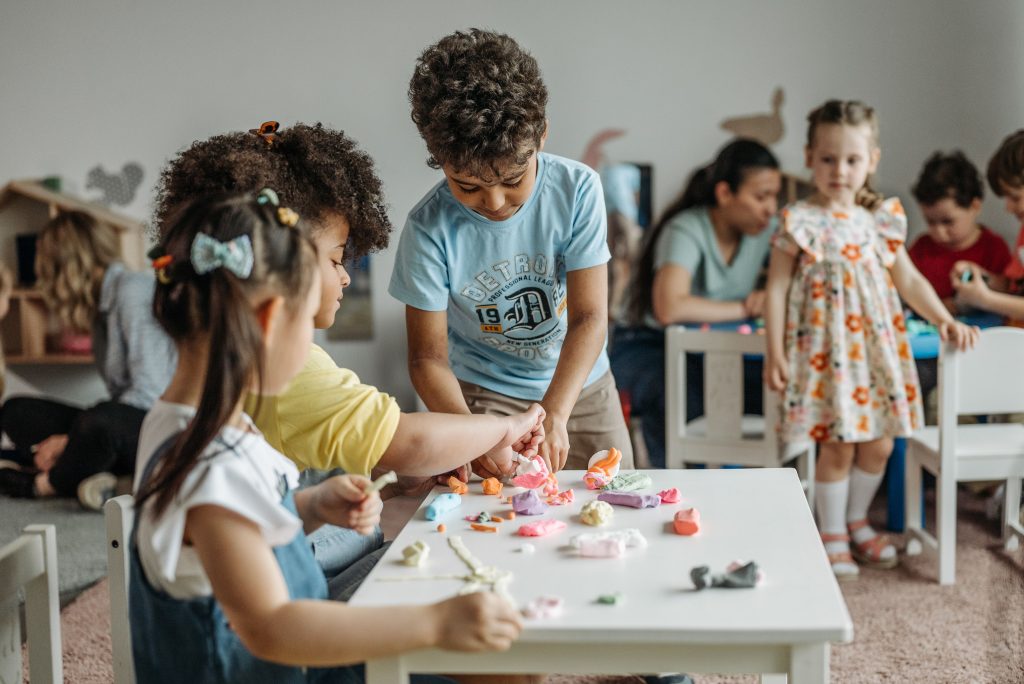
Choosing a nursery for your child is one of the most significant decisions you will make as a parent. The stakes feel high, the options can be overwhelming, and it is not always obvious what you should actually be looking for when you walk through the door.
Most parents know to check Ofsted ratings, staff-to-child ratios, and opening hours. But the things that truly matter are often harder to quantify. Here is what to look for beyond the brochure.
How does the setting feel the moment you walk in?
Your instincts matter. Before you have spoken to anyone or seen a single activity, pay attention to how the space feels. Is it calm and purposeful, or chaotic and loud in a way that feels unsettled rather than joyful? Do children appear absorbed and content, or are they drifting without direction?
A well-run nursery has a particular quality to its atmosphere. It is difficult to describe in a checklist, but you will recognise it when you experience it. Trust that first impression.
How do staff speak to the children?
This is perhaps the most telling thing you will observe on a visit. Watch how practitioners interact with the children in their care. Do they get down to the children’s level? Do they listen patiently, respond warmly, and take children’s ideas and feelings seriously? Or do interactions feel perfunctory and transactional?
Young children are acutely sensitive to tone. A setting where adults speak with genuine warmth and respect creates children who feel safe, seen, and valued. That emotional security is not incidental to good early years education. It is the bedrock of it.
How do children respond to their key workers?
Watch a child seek out a member of staff when they are unsure about something. Do they go to them easily and naturally? Does the adult respond with reassurance and care? The attachment a child forms with their key worker is one of the most important relationships in their early life, and you can learn a great deal about a setting’s culture simply by observing those moments.
Children who feel genuinely secure in their relationships with the adults around them are free to take risks, explore, and learn. Children who do not will spend their energy managing anxiety instead.
How is conflict handled?
It will happen. Children fall out, become frustrated, and struggle to regulate their emotions. That is entirely normal at this age. What matters is how the adults around them respond.
Look for staff who approach these moments with patience and curiosity rather than frustration. The best practitioners use conflict as a learning opportunity, helping children to name their feelings, understand the impact of their actions, and find their way back to one another. That approach takes skill, consistency, and a genuine belief in children’s capacity to grow.
What does the environment tell you?
A thoughtfully designed nursery environment is not simply attractive. It is intentional. Look at how the space is laid out, what resources are available, and how children are moving through and engaging with their surroundings.
Are there opportunities for imaginative play, physical movement, creative exploration, and quiet reflection? Is the outdoor space meaningful and well used? Are children’s own work and ideas visible throughout the setting, suggesting that their contributions are genuinely valued?
Every element of a good early years environment has been considered with purpose. The best settings are designed to invite curiosity and support independence, not simply to contain children safely until the end of the day.
What is the nursery’s approach to communication with families?
The relationship between a nursery and a family should feel like a genuine partnership. Ask how staff keep parents informed about their child’s progress and day-to-day experiences. Find out how concerns are raised and addressed, and whether parents feel genuinely welcomed as part of the community.
The warmth and openness of those conversations during a prospective visit will tell you a great deal about how the setting operates day to day.
Questions worth asking directly
When you meet with the nursery team, consider asking:
The answers themselves are important, but so is the manner in which they are given. A setting that is confident in its practice will welcome your questions and answer them with care and specificity.
A final thought
The right nursery will not just keep your child safe and occupied for a few hours each day. It will become one of the most formative environments of their early life, shaping how they see themselves, how they relate to others, and how they approach learning for years to come.
Take your time. Ask your questions. And when you find a setting where the atmosphere is warm, the staff are attentive, and your child looks like they belong, you will know.
The Knightsbridge Kindergarten is an Outstanding-rated nursery and pre-school located at St Peter’s Church, 119 Eaton Square, London SW1W 9AL. We welcome prospective families for visits and are always happy to answer your questions. Call us on 0204 638 4540 or email admissions@knightsbridgekindergarten.co.uk to find out more.