Sarah

What to look for when choosing a nursery: the questions every parent should ask
What to look for when choosing a nursery: the questions every parent should ask

Choosing a nursery for your child is one of the most significant decisions you will make as a parent. The stakes feel high, the options can be overwhelming, and it is not always obvious what you should actually be looking for when you walk through the door.

Most parents know to check Ofsted ratings, staff-to-child ratios, and opening hours. But the things that truly matter are often harder to quantify. Here is what to look for beyond the brochure.


How does the setting feel the moment you walk in?

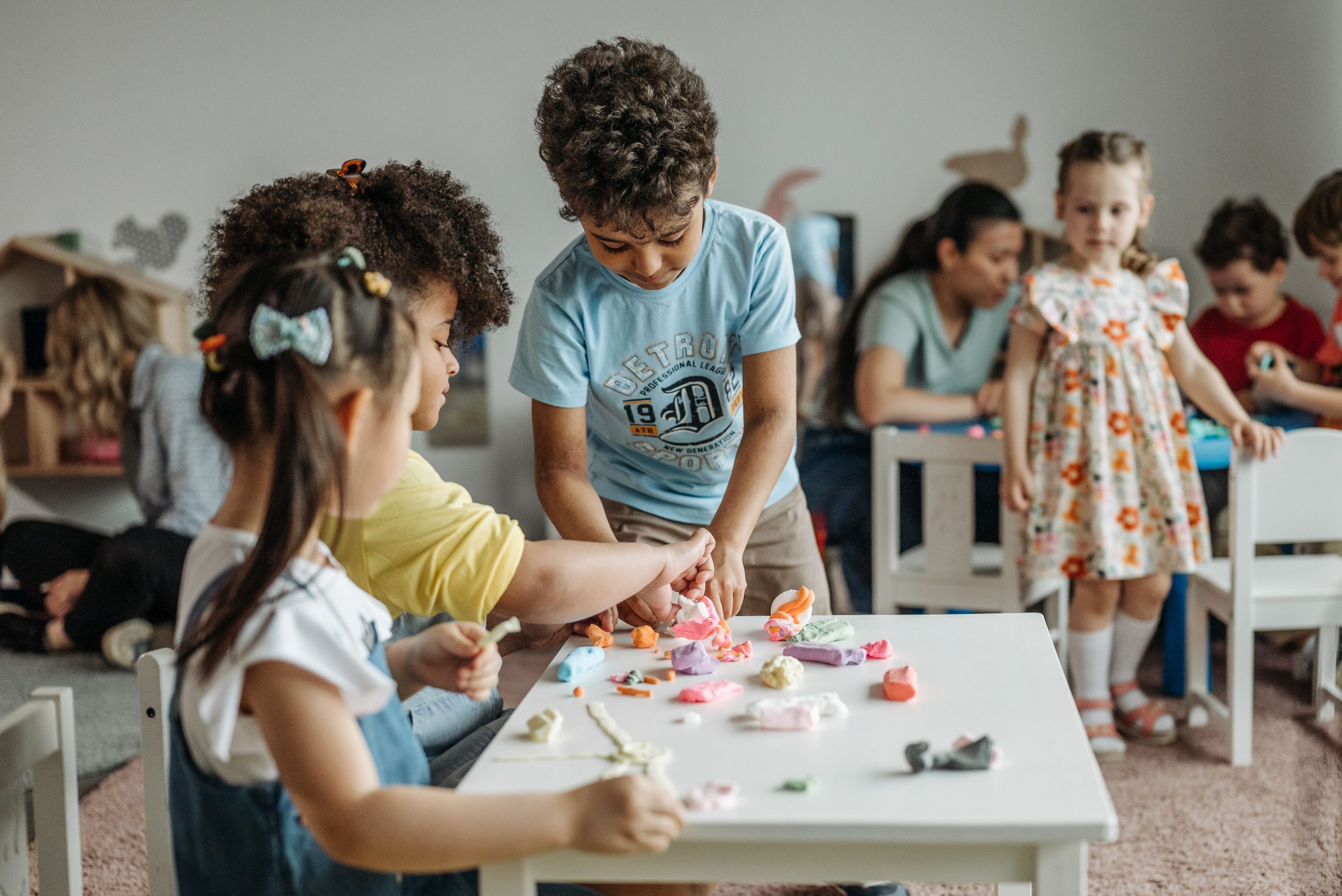
Your instincts matter. Before you have spoken to anyone or seen a single activity, pay attention to how the space feels. Is it calm and purposeful, or chaotic and loud in a way that feels unsettled rather than joyful? Do children appear absorbed and content, or are they drifting without direction?

A well-run nursery has a particular quality to its atmosphere. It is difficult to describe in a checklist, but you will recognise it when you experience it. Trust that first impression.


How do staff speak to the children?

This is perhaps the most telling thing you will observe on a visit. Watch how practitioners interact with the children in their care. Do they get down to the children’s level? Do they listen patiently, respond warmly, and take children’s ideas and feelings seriously? Or do interactions feel perfunctory and transactional?

Young children are acutely sensitive to tone. A setting where adults speak with genuine warmth and respect creates children who feel safe, seen, and valued. That emotional security is not incidental to good early years education. It is the bedrock of it.


How do children respond to their key workers?

Watch a child seek out a member of staff when they are unsure about something. Do they go to them easily and naturally? Does the adult respond with reassurance and care? The attachment a child forms with their key worker is one of the most important relationships in their early life, and you can learn a great deal about a setting’s culture simply by observing those moments.

Children who feel genuinely secure in their relationships with the adults around them are free to take risks, explore, and learn. Children who do not will spend their energy managing anxiety instead.


How is conflict handled?

It will happen. Children fall out, become frustrated, and struggle to regulate their emotions. That is entirely normal at this age. What matters is how the adults around them respond.

Look for staff who approach these moments with patience and curiosity rather than frustration. The best practitioners use conflict as a learning opportunity, helping children to name their feelings, understand the impact of their actions, and find their way back to one another. That approach takes skill, consistency, and a genuine belief in children’s capacity to grow.


What does the environment tell you?

A thoughtfully designed nursery environment is not simply attractive. It is intentional. Look at how the space is laid out, what resources are available, and how children are moving through and engaging with their surroundings.

Are there opportunities for imaginative play, physical movement, creative exploration, and quiet reflection? Is the outdoor space meaningful and well used? Are children’s own work and ideas visible throughout the setting, suggesting that their contributions are genuinely valued?

Every element of a good early years environment has been considered with purpose. The best settings are designed to invite curiosity and support independence, not simply to contain children safely until the end of the day.


What is the nursery’s approach to communication with families?

The relationship between a nursery and a family should feel like a genuine partnership. Ask how staff keep parents informed about their child’s progress and day-to-day experiences. Find out how concerns are raised and addressed, and whether parents feel genuinely welcomed as part of the community.

The warmth and openness of those conversations during a prospective visit will tell you a great deal about how the setting operates day to day.


Questions worth asking directly

When you meet with the nursery team, consider asking:

  • How do you support children who find settling in difficult?
  • How do you approach the transition from nursery to school?
  • How do you ensure consistency for children, particularly around their key worker relationships?
  • What does a typical day look like, and how much of it is child-led?
  • How do you support children with additional needs or those who are still developing their language?

The answers themselves are important, but so is the manner in which they are given. A setting that is confident in its practice will welcome your questions and answer them with care and specificity.


A final thought

The right nursery will not just keep your child safe and occupied for a few hours each day. It will become one of the most formative environments of their early life, shaping how they see themselves, how they relate to others, and how they approach learning for years to come.

Take your time. Ask your questions. And when you find a setting where the atmosphere is warm, the staff are attentive, and your child looks like they belong, you will know.


The Knightsbridge Kindergarten is an Outstanding-rated nursery and pre-school located at St Peter’s Church, 119 Eaton Square, London SW1W 9AL. We welcome prospective families for visits and are always happy to answer your questions. Call us on 0204 638 4540 or email admissions@knightsbridgekindergarten.co.uk to find out more.

Why the early years are the most important of your child’s education

Why the early years are the most important of your child’s education

As parents, we want the very best for our children in every stage of their lives. But if there is one period that deserves particular attention, it is the earliest years. Long before formal schooling begins, the foundations of who your child will become are already being laid. The way they learn to communicate, form relationships, manage emotions, and approach new challenges is shaped profoundly by their experiences between birth and age five.

Choosing the right nursery setting is therefore not simply a matter of convenience or location. It is a decision that can genuinely influence your child’s trajectory for years to come.


What the research tells us

The science of early childhood development is compelling. Neuroscientists have long understood that the brain develops more rapidly in the first five years of life than at any other point. During this period, neural connections are formed at an extraordinary rate, shaped by every interaction, experience, and relationship a young child has.

Studies consistently show that high-quality early years education has a lasting positive impact on outcomes across language, literacy, numeracy, social development, and emotional wellbeing. Crucially, these benefits are not limited to academic performance. Children who experience nurturing, stimulating early years environments tend to develop greater resilience, stronger communication skills, and a more positive attitude towards learning as they grow older.

This is not about applying pressure or rushing children through developmental milestones. It is about creating the right conditions for natural, joyful, and meaningful learning to take place.


The difference a nurturing environment makes

Not all early years settings are equal. The quality of the environment, the warmth and expertise of the staff, and the ethos of the setting all play a significant role in how well children thrive.

At The Knightsbridge Kindergarten, our Ofsted inspectors noted that “the atmosphere throughout the setting is one of genuine respect and kindness.” That description captures something that cannot be manufactured or measured on a checklist. It reflects a culture that has been carefully built and consistently maintained over more than 15 years.

Children learn best when they feel safe, valued, and understood. In a setting where respect and kindness are woven into every interaction, children are free to take risks, ask questions, make mistakes, and grow. They are not anxious about getting things wrong. They are curious, confident, and engaged.

That emotional security is not a soft add-on to early education. It is the very foundation upon which all other learning is built.


Learning through play: more than just fun

One of the most misunderstood aspects of early years education is the role of play. To an untrained eye, a group of children building with blocks, role-playing in a home corner, or exploring paint and textures might simply look like fun. In reality, each of those moments is rich with learning.

Play is how young children make sense of the world around them. Through imaginative play, they develop language, test ideas, and begin to understand social dynamics. Through physical play, they build coordination, spatial awareness, and confidence. Through creative play, they express emotions, develop problem-solving skills, and learn to think flexibly.

Outstanding early years settings understand this deeply. They design their environments and plan their days with intentionality, ensuring that every experience has purpose, while still allowing children the freedom and space to follow their own curiosity.


The role of staff in shaping early experiences

The single most important factor in the quality of any nursery is its people. Young children form strong attachments to the adults who care for them, and those relationships have a profound impact on how children feel about themselves and the world around them.

At The Knightsbridge Kindergarten, our team brings together experience, warmth, and a genuine commitment to the children in our care. Staff are not simply supervising children through their day; they are active participants in each child’s learning journey, observing carefully, responding thoughtfully, and adapting their approach to meet the needs of every individual.

Families who have been part of our community often speak of the lasting impression the nursery leaves. One parent described it as “a place so magical, we have unforgettable, beautiful memories of our children’s time at The Knightsbridge Kindergarten.” That kind of impact does not happen by accident. It is the result of a team that genuinely cares and a setting that takes its responsibilities seriously.


Starting your child’s journey

If you are beginning to think about nursery options for your child, we would love to help. The Knightsbridge Kindergarten is located in the beautiful surroundings of Eaton Square, Belgravia, and offers a warm, Outstanding-rated environment where your child can truly flourish.

You can find out more about our admissions process or download our brochure to get a feel for everything we offer. We are always happy to answer questions and welcome prospective families for a visit.

Because when it comes to your child’s early years, there is no such thing as being too careful about where that journey begins.


The Knightsbridge Kindergarten is an Outstanding-rated nursery and pre-school located at St Peter’s Church, 119 Eaton Square, London SW1W 9AL. To get in touch, call 0204 638 4540 or email admissions@knightsbridgekindergarten.co.uk.


How a Nurturing Nursery Environment Shapes Confident, Curious Learners

How a Nurturing Nursery Environment Shapes Confident, Curious Learners

The early years of a child’s life play a vital role in shaping who they become. Long before formal education begins, children start forming attitudes towards learning, relationships, and the world around them. A nurturing nursery environment is one of the most powerful influences during this stage, helping children grow into confident, curious learners who feel secure exploring new ideas.

Why the Nursery Environment Matters So Much

Young children learn best when they feel safe, supported, and understood. A nurturing nursery environment goes beyond providing care. It creates a space where children feel emotionally secure, respected, and encouraged to express themselves.

When children feel settled and valued, they are more willing to try new activities, ask questions, and engage with others. This emotional security forms the foundation for confidence, independence, and a genuine love of learning.

Building Confidence Through Emotional Security

Confidence does not develop overnight. It grows through small, consistent experiences where children feel supported and listened to.

In a nurturing early years setting, practitioners take the time to understand each child’s personality, interests, and emotional needs. Children are encouraged to make choices, attempt tasks independently, and learn at their own pace.

When challenges arise, supportive guidance helps children build resilience rather than fear failure. Over time, this approach nurtures self belief and helps children feel proud of their achievements, no matter how small.

Encouraging Curiosity Through Play Based Learning

Curiosity is a natural part of childhood, and the right environment allows it to flourish. In high quality nurseries, learning is woven seamlessly into play, exploration, and everyday experiences.

Open ended activities, creative play, outdoor learning, and hands on resources invite children to explore, experiment, and ask questions. Rather than being told what to think, children are encouraged to discover answers for themselves.

This approach supports early literacy, numeracy, and problem solving skills while keeping learning engaging and enjoyable. Children begin to see learning as something exciting rather than something they have to do.

Social Skills and Positive Relationships

A nurturing nursery also plays a key role in developing social and emotional skills. Through group play, shared routines, and guided interaction, children learn how to communicate, cooperate, and build friendships.

Respect, kindness, and empathy are modelled daily by practitioners, helping children understand how to manage emotions and resolve conflicts positively. These early social skills are essential for school readiness and long term emotional wellbeing.

Strong relationships with trusted adults also help children feel confident enough to express themselves and seek support when needed.

The Role of Calm, Consistent Routines

Children thrive on routine and predictability. A calm, well structured nursery day helps children feel secure and confident in their surroundings.

Clear routines around play, meals, rest, and learning create a sense of stability. This allows children to focus their energy on exploration and creativity rather than uncertainty.

Consistency also supports independence, as children begin to understand expectations and take ownership of simple tasks and transitions throughout the day.

A Smooth Foundation for School and Beyond

Children who experience a nurturing nursery environment are often better prepared for the transition to school. They are more confident in new settings, comfortable forming relationships, and eager to engage with learning.

By supporting emotional wellbeing alongside academic development, nurseries help children build the skills they need to adapt, grow, and succeed in the next stage of their education.

At settings such as The Knightsbridge Kindergarten, this balance of care, learning, and emotional support ensures children are not only school ready, but life ready too.

Giving Children the Best Start

A nurturing nursery environment shapes far more than early academic skills. It builds confidence, curiosity, resilience, and a positive mindset towards learning.

For parents, choosing a nursery that prioritises emotional wellbeing, respectful relationships, and child led learning is one of the most valuable investments they can make in their child’s future.

What an ‘Outstanding’ Ofsted Rating Really Means for Your Child

What an ‘Outstanding’ Ofsted Rating Really Means for Your Child

When choosing a nursery or preschool, few words carry as much weight as an Outstanding Ofsted rating. For many parents, it is a reassuring badge of quality. But what does it actually mean for your child on a day to day basis, and why does it matter so much in early years education?

Understanding what sits behind an Outstanding judgement can help you make a more confident, informed decision for your family.

What Is Ofsted and Why Does It Matter?

Ofsted is the official body responsible for inspecting early years settings across England. Their role is to ensure nurseries provide a safe, nurturing environment where children can develop socially, emotionally, and academically.

An Outstanding rating is the highest possible judgement and reflects excellence across every area inspected. This includes teaching quality, child wellbeing, leadership, safeguarding, and outcomes for children.

For parents, it is not just a mark of compliance. It is a strong indicator that children are thriving.

High Quality Teaching That Feels Natural, Not Forced

One of the key factors Ofsted looks for is the quality of teaching and learning. In an Outstanding nursery, learning is not rushed or overly structured. Instead, children are supported through play based activities that spark curiosity and confidence.

Staff understand how young children learn best and tailor activities to individual interests and abilities. This helps children develop early literacy, numeracy, communication, and problem solving skills in a way that feels enjoyable and age appropriate.

The result is children who are eager to explore, ask questions, and engage with the world around them.

Emotional Wellbeing Comes First

Outstanding settings place a strong emphasis on emotional development. Inspectors look closely at how children feel in the environment and how staff respond to their needs.

Children should feel safe, valued, and listened to. This means having trusted adults who offer consistent care, clear boundaries, and gentle guidance. When emotional wellbeing is prioritised, children are better able to focus, build friendships, and develop resilience.

A calm, respectful atmosphere also helps children learn how to manage emotions and show kindness to others, skills that stay with them far beyond nursery.

Strong Relationships and Respectful Behaviour

Another hallmark of an Outstanding Ofsted nursery is the quality of relationships. Inspectors observe how children interact with staff and with one another.

In high quality settings, respect and kindness are embedded into everyday routines. Children are encouraged to share, take turns, and express themselves confidently. Positive behaviour is modelled by adults and reinforced through praise and encouragement rather than punishment.

This supportive approach helps children feel secure and builds the social skills they need for school and beyond.

A Safe and Well Organised Environment

Safety and safeguarding are non negotiable in early years education. An Outstanding rating reflects excellent safeguarding procedures, clear policies, and staff who are fully trained and vigilant.

Beyond physical safety, inspectors also consider how well the environment supports learning. Spacious, well organised settings allow children to move freely, explore different activities, and develop independence.

A thoughtfully designed nursery environment encourages creativity while maintaining structure and routine, helping children feel both excited and secure.

Leadership That Puts Children First

Behind every Outstanding nursery is strong leadership. Ofsted assesses how well the setting is managed, including staff training, communication with parents, and long term planning.

Effective leaders create a positive culture where staff feel supported and motivated. This directly benefits children, as consistent, happy teams provide better care and stronger emotional connections.

Parents also benefit from clear communication, transparency, and a shared understanding of how their child is supported at every stage.

What This Means for Your Child

An Outstanding Ofsted rating is not about ticking boxes. It reflects a nursery where children feel happy, confident, and excited to learn.

For your child, this means:

  • A nurturing environment where they feel safe and valued

  • High quality early years education tailored to their needs

  • Strong emotional and social development

  • Positive relationships that build confidence and independence

  • A smooth transition into school life

Choosing an Outstanding nursery gives your child the best possible start, laying the foundations for a lifelong love of learning.

Why You Should Attend Our Summer School

Why You Should Attend Our Summer School

Summer is the perfect time for children to explore, create, and discover the joy of learning in a relaxed and playful environment. At The Kensington Kindergarten, our Summer Holiday Club is designed to provide little learners with a memorable experience that blends fun activities with enriching opportunities to grow. Open to all children aged 2 to 6 years, it’s a chance for your child to enjoy a summer filled with laughter, creativity, and adventure.


A welcome environment

One of the most important aspects of our Summer Club is the nurturing environment we create. Our dedicated team of teachers ensures every child feels comfortable, supported, and encouraged to join in. Whether your child is already part of our schools or attending for the first time, they will be welcomed into a friendly community where making new friends and feeling at home comes naturally.

For many children, summer is also a time of transitions—whether that’s moving up a year group, preparing for nursery, or taking those first steps into school life. Our club offers the ideal space to help build confidence, foster independence, and encourage social interaction.


Daily themes

What makes our Summer Holiday Club truly special is the exciting themed activities planned each day. Children thrive when they are engaged in play that also sparks curiosity and learning. Our timetable is filled with hands-on experiences, ensuring every day brings something new.

  • Cooking: From mixing and stirring to tasting and sharing, cooking activities help children explore new flavours while developing practical skills.

  • Art: Painting, crafting, and experimenting with different textures allow children to express themselves and celebrate their creativity.

  • Sports: Energetic games and outdoor activities encourage teamwork, coordination, and a love for movement.

  • Science: Simple experiments and investigations introduce children to the wonders of the world around them.

  • Dance and Music: Rhythm, movement, and sound come together to build confidence and joy through performance and expression.

These rotating themes keep children excited and engaged, offering them opportunities to try something different every day. By the end of the summer, they will have experienced a rich variety of activities designed to develop both their imagination and essential skills.


Led by trusted teachers

Parents can feel reassured knowing that our Summer Club is led by the same outstanding teachers who work at our schools throughout the year. Their expertise, enthusiasm, and genuine care for children are what make our holiday programme unique.

The familiar faces of our teaching team mean children are supported by professionals who understand how to make learning fun and meaningful. It’s not just about keeping children entertained—it’s about giving them purposeful experiences that encourage growth, creativity, and confidence.


Learning through play

At this age, play is the foundation of learning. Our Summer Holiday Club is carefully structured to ensure children are not only enjoying themselves but also building important life skills. Through playful activities, children develop language, motor skills, problem-solving abilities, and emotional resilience.

The joy of summer is that children learn without even realising it. When they are mixing ingredients, running in the park, painting with bright colours, or joining in a group song, they are developing communication, teamwork, and critical thinking—all while having fun.


Building friendships

Summer is about making memories, and our Holiday Club is the perfect setting for children to do just that. The combination of shared experiences, teamwork, and laughter helps children build lasting friendships. Whether it’s the pride of creating a piece of art, the excitement of a sports game, or the delight of singing together, every day is filled with opportunities to connect with others.

Parents often tell us that their children leave our Summer Club with stories to share, new skills to show off, and a big smile on their face. Those moments of joy are what we strive for each day.


A balanced day

Our daily schedule is thoughtfully designed to give children a balance of structured activities and free play. This ensures that they not only enjoy exciting themed sessions but also have time to relax, socialise, and recharge. We also provide healthy meals and snacks, giving children the fuel they need to stay energised and engaged throughout the day.


Why choose our summer club?

Choosing the right holiday club for your child is about more than filling the time—it’s about ensuring they have an experience that is safe, enriching, and enjoyable. At The Kensington Kindergarten, we focus on creating a summer filled with:

  • Engaging activities that inspire learning and creativity

  • A caring and professional teaching team

  • Opportunities to build confidence and independence

  • A warm, welcoming community where every child belongs

Above all, we want children to leave each day feeling happy, fulfilled, and excited to return the next morning.


Join the fun

Our Summer Holiday Club at The Kensington Kindergarten is more than just childcare—it’s a place where children thrive, discover their passions, and make memories to treasure. If you would like your child to join us this summer, we’d be delighted to welcome them into our community.

To book a place or find out more, please email Sarah at admissions@kensingtonkindergarten.co.uk.

Give your child the gift of a joyful and enriching summer, we can’t wait to see them there!

How to Find the Right Nursery for Your Child

How to Find the Right Nursery for Your Child

Choosing the right nursery for your child is a pivotal decision that can shape their early years and set the foundation for a lifetime of learning. At The Knightsbridge Kindergarten, we understand that parents want a nurturing, stimulating, and safe environment where their child can thrive. With so many options available, finding the perfect nursery can feel daunting. Here’s a guide to help you navigate this important choice and ensure you select the right setting for your child’s needs.

Understand Your Child’s Needs and Your Family’s Values

Every child is unique, and so are the needs of every family. Start by considering your child’s personality, interests, and developmental stage. Does your child flourish in structured settings or thrive in more flexible, play-based environments? Are there specific needs, such as support for speech development or sensory sensitivities, that the nursery should address?

Reflect on your family’s priorities. Are you looking for a nursery with a strong academic focus, or do you value creativity and social skills? At The Knightsbridge Kindergarten, we combine the Early Years Foundation Stage (EYFS) framework with a child-led approach, fostering curiosity while supporting key milestones. Consider practical factors too, such as location, hours, and whether the nursery offers flexible sessions to suit your schedule.

Research and Shortlist Nurseries

Begin your search by gathering recommendations from friends, family, or online parent communities. Check Ofsted reports for insights into a nursery’s quality, safety, and educational standards. Create a shortlist of nurseries that align with your values and practical requirements.

Look for settings that prioritise both learning and well-being. At The Knightsbridge Kindergarten, we pride ourselves on our warm, inclusive environment and highly qualified staff who nurture each child’s potential. Explore nursery websites and social media to get a sense of their ethos, facilities, and daily activities. Narrow your list to a few options that feel promising.

Visit and Observe the Environment

A visit is the best way to assess whether a nursery feels right for your child. Schedule tours with your shortlisted nurseries and observe the environment closely. Is the space clean, safe, and engaging? Are there varied resources, such as books, art supplies, and outdoor play areas? At The Knightsbridge Kindergarten, our thoughtfully designed classrooms and secure garden encourage exploration and physical activity.

Pay attention to how staff interact with the children. Are they warm, attentive, and responsive? Do the children seem happy and engaged? Ask about staff qualifications and ratios—lower ratios, like those we maintain, ensure more individualised care. Inquire about safety measures, such as secure entrances and safeguarding policies, to ensure peace of mind.

Ask the Right Questions

During your visit, ask questions to understand the nursery’s approach and policies. Key questions include:

  • What is your educational philosophy? Understand how the nursery balances play, learning, and development.
  • How do you support settling-in? A gradual transition process, like the one at The Knightsbridge Kindergarten, helps children adjust comfortably.
  • How do you communicate with parents? Look for regular updates through apps, reports, or meetings.
  • What is the staff-to-child ratio? Lower ratios mean more attention for your child.
  • How do you handle behaviour or special needs? Ensure the nursery has clear, compassionate policies.

These questions will help you gauge whether the nursery aligns with your expectations and your child’s needs.

Trust Your Instincts

After visiting, reflect on how you felt about the nursery. Did it feel welcoming and supportive? Could you envision your child being happy there? Trust your instincts as a parent—they’re often a reliable guide. Discuss your impressions with your partner or family to ensure you’re confident in your choice.

Take the Next Steps with Confidence

Finding the right nursery is about matching your child’s needs with a setting that feels like a second home. At The Knightsbridge Kindergarten, we’re committed to providing a nurturing, enriching environment where children grow in confidence and curiosity. Once you’ve chosen a nursery, arrange settling-in sessions to ease your child into the routine. Stay engaged with the nursery through regular communication to support your child’s journey.

Ready to explore The Knightsbridge Kindergarten? Contact us to book a visit and discover how we can help your child flourish in their early years.